Applied Health Sciences Professions
What Can I Do With a Kinesiology Degree Focused in Applied Health Sciences Professions?
If you’re interested in physical therapy, occupational therapy, athletic training, sports medicine or other health-related careers, Longwood’s Applied Health Sciences Professions concentration can help you build a strong foundation.
You’ll study human movement, injury prevention, rehabilitation, patient care and evidence-based practice. You’ll also explore how the body works, how injuries happen, and how health professionals help people recover, move better and return to the activities that matter to them.
This concentration is a strong fit if you’re interested in working in clinical, rehabilitation, athletic training, or other allied health settings.
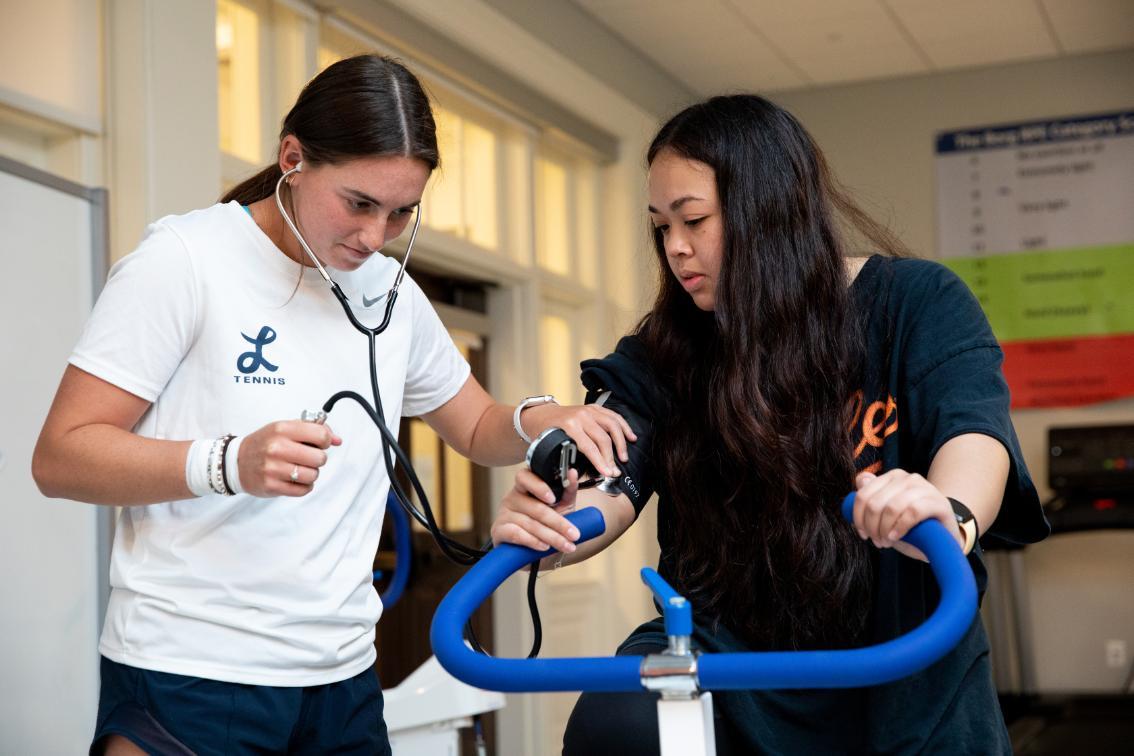
What Jobs Can I Get With an Applied Health Sciences Professions Concentration?
The Applied Health Sciences Professions concentration is a strong path for students interested in health-related careers, especially fields connected to human movement, injury care, rehabilitation and physically active populations.
Many students use this concentration as preparation for graduate or professional programs in areas such as:
- Physical therapy
- Occupational therapy
- Athletic training
- Exercise physiology
- Physician assistant studies
- Nursing
- Other allied health professions
The concentration can also support career paths connected to:
- Injury prevention
- Rehabilitation support
- Clinical exercise physiology
- Sports medicine
- Health and wellness
- Patient care support
You’ll build a foundation in anatomy, movement, injury prevention, rehabilitation concepts and evidence-based practice—areas that connect closely with physical therapy, occupational therapy, athletic training, sports medicine and other clinical fields.
Some health professions require graduate study, professional licensure or additional certification. Because requirements vary by field and by school, you’ll want to work closely with your advisor to make sure your academic plan supports your intended path.
How Will I Get Hands-On Experience in Kinesiology?
Kinesiology students complete an internship during the summer between junior and senior year. This 320-hour supervised experience gives you the opportunity to apply what you’ve learned in a clinical, community or sports-oriented fitness setting.
For students in Applied Health Sciences Professions, internship and shadowing experiences can help you explore healthcare settings, gain exposure to professional practice and better understand the path toward graduate or professional school.
Students interested in health professions should begin exploring program requirements early, since prerequisites vary by field and by school. Faculty advising can help you plan your coursework and experiences with your long-term goals in mind.
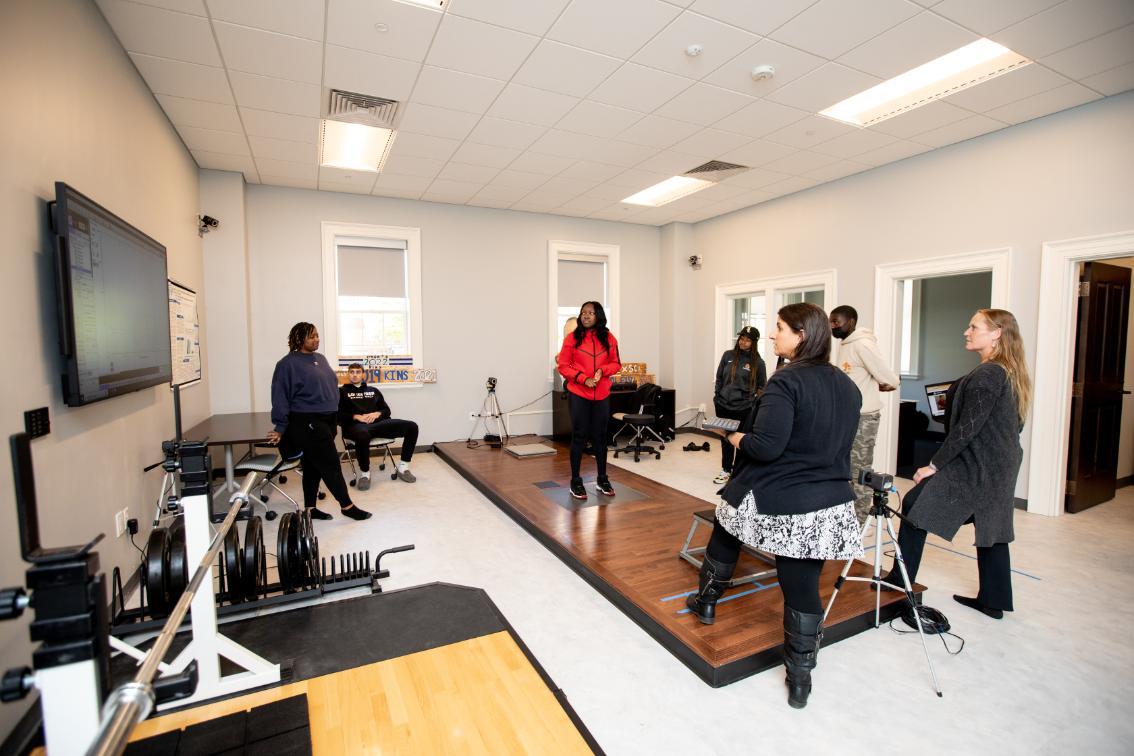
What Will I Learn in the Applied Health Sciences Professions Concentration?
You’ll study how the body moves, how injuries affect movement, and how health professionals use assessment, intervention and rehabilitation strategies to support physically active people.
Topics may include:
- Foundations of injury prevention and care
- Functional anatomy
- Healthcare systems
- Public health and healthcare disparities
- Pharmacology
- Electrocardiography
- Evidence-based practice
- Interprofessional practice
- Professional responsibility
You’ll also build a foundation in core kinesiology areas such as anatomy, biomechanics, exercise physiology, motor control and exercise testing.
See all Kinesiology courses in the Loading... major.
Jacob Barker ’23, kinesiology
Nationally Accredited

Longwood’s B.S. in Kinesiology is accredited by the Commission on Accreditation of Allied Health Education Programs (CAAHEP) upon the recommendation of the Committee on Accreditation for the Exercise Sciences (CoAES).
-420x280.jpg)