


In 2016, the largest gift in Longwood’s history created the Brock Experiences, a growing group of immersive, citizenship-focused courses at sites around the United States. Exploring the important issues of our time, new courses will be announced annually and, after a development period, will be added to the slate of signature experiences available to students.
What is a Brock Experience?
A Perspectives-level course that is centered around an unresolved civic issue.
They are all:
- Within the U.S.
- Transdisciplinary in nature
- Able to provide academic credit in various Perspective categories
The most important thing: you get to experience on-site learning, meet stakeholders and gain knowledge that may transform your educational experience.
Funding a Brock Experience
- Departmental Scholarships
- Brock Experiences offers need-based scholarships to students
- Can cover a variety of costs like program fees, tuition and travel
- Student Loans
- FAFSA loans and university scholarships are available for semester-based Brock Experiences
- Honors Scholarship
- Honors College students have additional scholarships available to them through the Cormier Honors College
Costs associated with a Brock Experience
- Program Fee
- Tuition
- Flight
- Spending money
At the Water’s Edge: Managing contention in the stewardship of North America’s largest estuary.
Chesapeake Bay
Building on a slate of programs and research projects already in place at Longwood’s Baliles Center for Environmental Education at Hull Springs in Westmoreland County, the Chesapeake Bay experience offers students a unique perspective into the complex issues surrounding North America’s largest estuary system.
The Chesapeake Bay, an economic engine for the region and a critical ecosystem in danger of collapse, provides a source of ongoing debate regarding its stewardship from ecological, chemical, economic, political, and sociological perspectives. Students consider Bay issues as a model for understanding how to critically evaluate and formulate solutions to contentious public issues in their local communities.
- Travel Dates
9/4/26-9/7/26 and 10/7/26-10/11/26 - Program Fee
$500 - Civitae Perspective
SR
Key Points
This will be a course that meets during the Fall 2026 semester. There will be on-campus, in class meetings in addition to the travel dates.
Our Land, Our Responsibility: Capturing the imagination and sparking controversy for nearly two centuries
Yellowstone National Park
Begun in 2006, LU@Yellowstone National Park has served as an unforgettable part of hundreds of students’ Longwood education. A transformative journey through Wyoming and Montana in the country’s most famous national park opens students’ eyes to the myriad of stewardship-related questions facing our society today that cannot be solved without bringing together different perspectives, from various academic disciplines to field practitioners, community members, and business leaders. As they gaze out at majestic mountains and lakes, students ponder what our responsibility as a country is to protect our precious natural resources while recognizing their value in driving commerce for thousands of communities near the park.
Upcoming events & meetings

Weathering the Storm: Is urban life as we know it at risk?
Charleston, South Carolina
Students will explore how communities, cultures, and ways of life are affected by large-scale social and environmental change, and what is at stake when those changes threaten continuity in place. The Gullah Geechee community of South Carolina provides a focused case through which to examine this broader issue. The Gullah Geechee are a distinct African American people of the coastal Lowcountry and Sea Islands, descendants of enslaved West Central Africans who developed enduring cultural traditions, language patterns, and ways of life closely tied to land and water. In South Carolina, the most immediate pressures on that continuity include overdevelopment, pressure on land ownership, and the effects of sea-level rise. These local dynamics reflect larger questions about land, identity, and cultural survival in a changing world.
Charleston is relevant as an urban site in the larger history of the Gullah Geechee world and as a place where students can examine questions of slavery, labor, cultural presence, and memory. The South Carolina Sea Islands are equally important because they remain places where Gullah Geechee families, traditions, and relationships to land continue into the present. They are also places where the pressures of real estate development, tourism, and climate change are especially visible.
- Travel Dates
3/6/27-3/13/27 - Program Fee
$900 - Civitae Perspective
HCI
Key Points
This will be a course that meets during the Spring 2027 semester. There will be on-campus, in class meetings in addition to the travel dates.
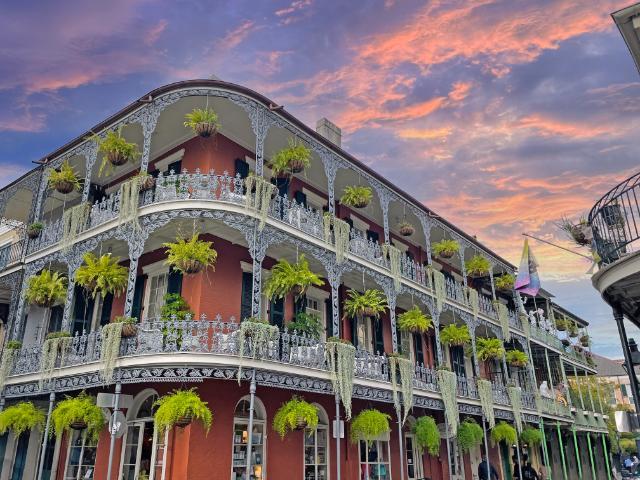
The Future of the Past: Memory and the Making of Community
New Orleans
As they tour the vibrant streets of one of America’s most colorful cities, students will investigate how a community’s history is woven into a shared public memory. They will immerse themselves in the syncretic traditions of Louisiana Voodoo, hear notes of past harmony and discord as they sound through New Orleans jazz halls, and sample cuisines seasoned by the interactions of multiple cultures. They will stroll through iconic neighborhoods, uncovering a history etched into the very architecture and street plans. They will see how a community markets its past, turning a profit by commodifying its heritage. And they will bear witness to how a city salves its historical wounds, grappling with the legacies of slavery, racism, and segregation. Through its political slogans and tourism campaigns, statue removals and street music, piousness and partying, students will confront the proximity—indeed, the undeniable present-ness—of New Orleans’s ever-changing past.
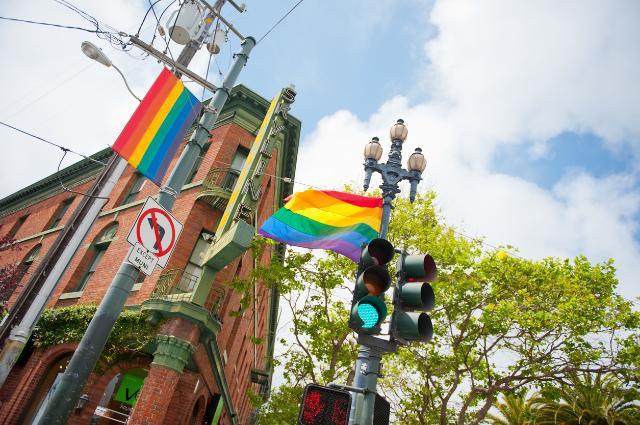
Place & Voice: An exploration of ways communities get heard
San Francisco
In this course, students will contemplate the civic question, “who gets a voice,” especially as it relates to the development of rights for marginalized communities. Freedom of speech can sometimes be challenged by lived experiences, oppressive and divisive societal institutions, and complex identities. Therefore, the development of rights for marginalized and oppressed communities is at the forefront of this question. Efforts to make sure all are heard on college campuses, in communities, within organizations, and through corporate marketing work for and against marginalized communities as a whole to change and/or reinforce politics, laws, and rights for those communities. In this way, having a voice and asking “who gets a voice” becomes one of the pivotal civic elements in addressing these issues.
This is amplified with mediated channels (e.g., social media, news) and can impact a person’s perspective on specific topics, especially considering algorithms help keep people in echo chambers where they do not experience multiple perspectives. Allen Ginsberg once said, “Whoever controls the media, controls the images, controls the message.” This course is designed to have students examine that message and how place and media impact perspectives while simultaneously exploring who should get a voice (and when, how, why, and what) for a particular marginalized and oppressed community.
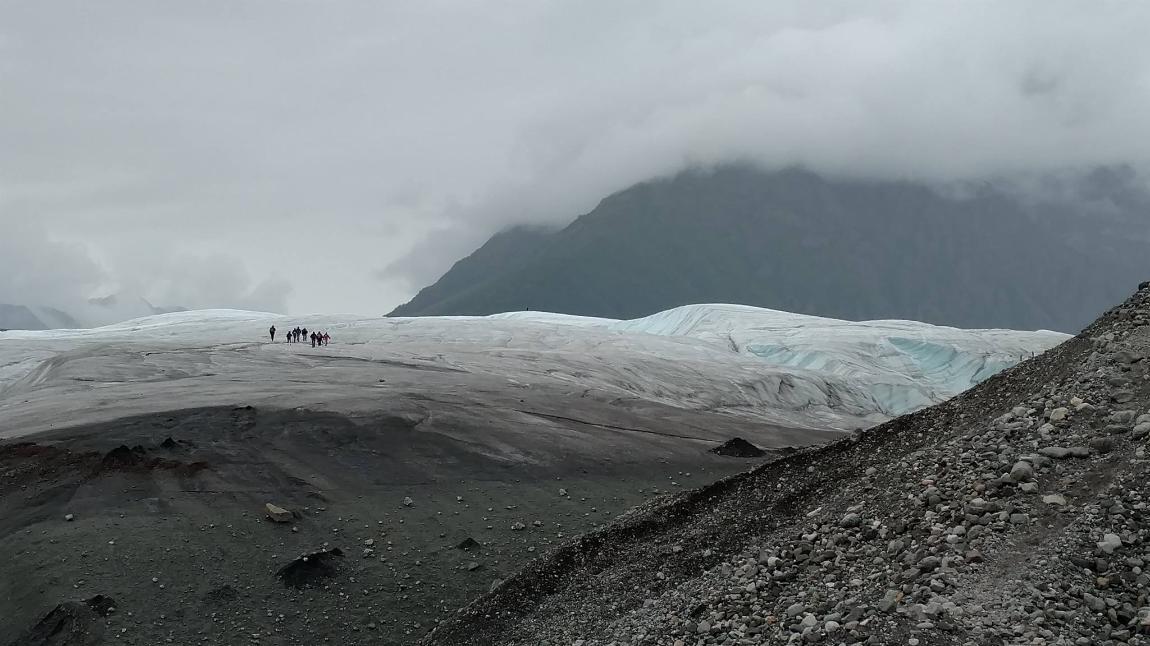
Stewardship of Resources: A tug-of-war over money and control in the land of the midnight sun
Alaska
As the largest state in the United States, Alaska boasts some of the nation’s richest and most diverse natural and cultural resources. Land and water rights, however, have been long debated in the land of the mid-night sun.
Alaska has more national parks and public lands than any other states. The majority of U.S. crab, halibut and salmon come from Alaskan waters. Many precious and semi-precious gemstones are mined in Alaska. An estimated 30% of the nation’s known oil and natural gas resources are found off the coast of Alaska contributing 90 percent of state’s revenue. Unique landscapes and fascinating cultural history makes tourism a 1.3 billion dollar industry with nearly two million visitors a year.
Students studying in the Longwood in Alaska course explore firsthand the social and cultural debates over land rights through multiple viewpoints and actively evaluate data related to these debates. Students will consider how citizens can serve as best stewards of our nation’s natural resources – including oil and natural gas, minerals and gemstones, forestry and fish, and even tourist destinations.
Being Human: How much of our life story is written in our genes?
San Francisco
All humans share the same set of genes, but the ones in your genome are a once in a lifetime collection, unique in all of history. The nature of our genes, their contribution to who we are as individual people, as a culture, and as a species leads to many unanswerable questions.
- What does it mean to be human?
- How do the same genes produce different people?
- What role does the society play in regulating whose genes are passed to the next generation?
- What limits restrict the changes and manipulations of a person’s human DNA?
In this course, students will develop knowledge of gene structures and the expression of genetic information as heritable traits. To build context for how society has responded to human genetic knowledge, students will investigate the misapplication of genetics through historic eugenic programs, discuss the personal and societal impact of genetic disorders, and investigate a future where gene augmentation for therapeutic and artistic goals is possible. We will consider the technological challenges, ethical conundrums, and personal dilemma that are associated with the risks and benefits of CRISPR-based gene therapy. Throughout, we will probe how the perception and function of our genetics defines us as a human, regardless of ability or disability.
The San Francisco Bay Area of California is the ideal location for an exploration of human genetics. In cities surrounding the bay, research institutions with world-leading human genetics and bioethics programs are dissecting the human genome and inventing medical tools for diagnostic and therapeutic interventions. Students will interact with stakeholders from a variety of different disciplines to develop an inquiry-based perspective of the historical, social, and ethical landscape of human genetics, and the medical industry that has spawned around it.
Immigration: The many faces of the American dream
Arizona
There is perhaps no more hotly contested issue in the United States today than immigration—who crosses our borders, and why do they make the journey to a foreign country to settle? How do they get here, and what challenges do they face once on American soil?
Students studying in Arizona and Richmond experience will meet firsthand immigrant families, employers, and border security officers. Students will explore the extraordinarily complex issue of immigration alongside a team of scholars as they journey from the familiar—Richmond, Va.—to the unfamiliar—Tucson, Ariz.
Water’s for Fightin': Whose Water is it? Where does it go?
Colorado River Basin
Spanning 12 days and more than 1,600 miles across Colorado, Utah, Arizona and California, the Colorado River course gives students the opportunity to consider a critically important source of drinking water, hydroelectric power, agricultural irrigation, recreation, and economic development to more than 35 million people. We follow the river through cities in canals, underground, in fountains, and as a trickle at the Mexican border, the Colorado River is vast not only in its 1,450-mile course across the Southwest but also in its political complexity.
Along the river’s edge, we meet with multiple stakeholders to consider the challenges of population growth, climate change, and expanded economic development while addressing the questions: Where does the water go? What does it earn and cost? And how can the system be sustained? At the conclusion of this course, students are better-equipped to address how we, as citizens, work to address complex civic issues.
We travel through the 8 states of the Colorado River basin coaching students to see the landscape, the community, the context of the Southwest in new ways—through the lens of a camera, not as Ansel Adams but more of a documentarian. What do they see? How can they show others? Their photographs and the attendant informational captions suggest this new way of seeing so that others might understand the bitter divides over water, over access, and over land. In the words of Mark Twain, “Whiskey’s for drinkin’ and water’s for fightin.’
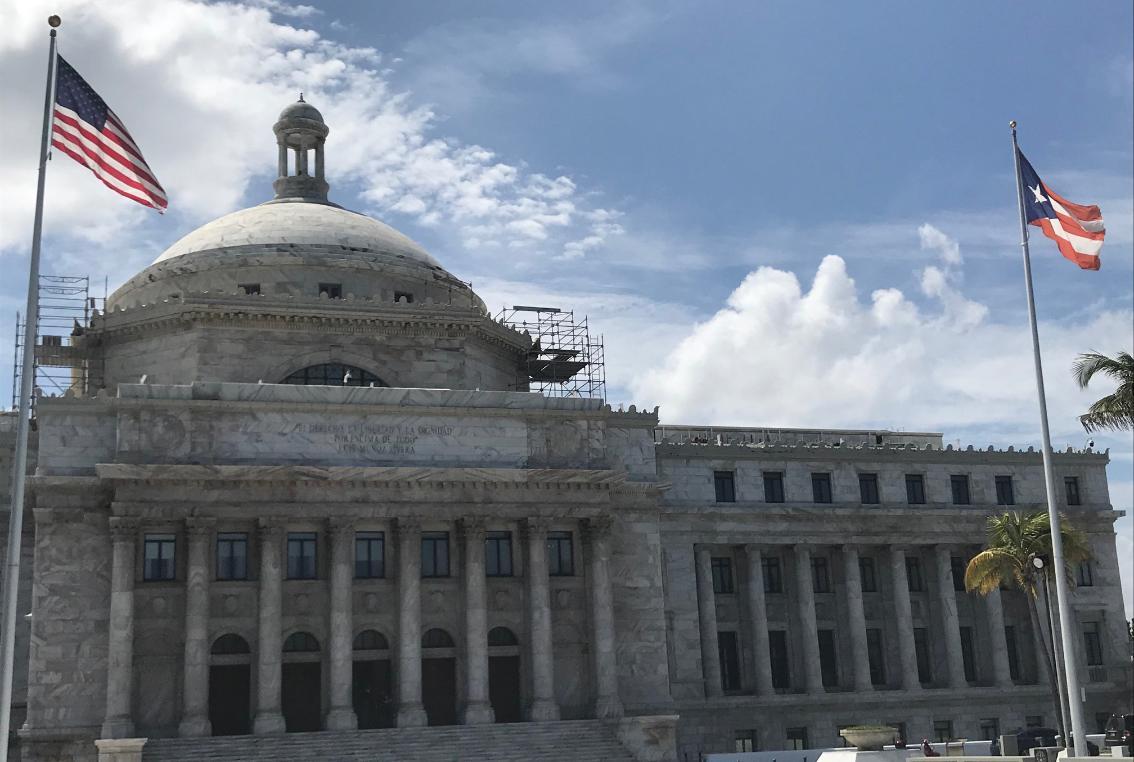
The Future of Puerto Rico: Should the territory become the 51st state?
Puerto Rico
Puerto Rico, a territory of the USA, is neither a nation nor a state. Puerto Ricans are citizens of the United States—they pay taxes, participate in Medicare, and are subject to federal law. Yet, they have no voting representation in Congress and do not vote in presidential elections.
For this reason, many cite Puerto Rico as an example of “taxation without representation.” Plagued by high debt levels, massive unemployment, and the devastation from Hurricane Maria, Puerto Rico is facing profound economic woes. This begs the question of what is the USA’s responsibility to its territories, and should Puerto Rico, a place that is culturally very different from the mainland, be considered for statehood? Students will travel to Puerto Rico to experience life on the island, interact with locals in meaningful ways, and immerse in the culture so that they may form their own opinions about the best path for this US territory.
Art & Culture: Just a frill or a foundation for building strong communities?
Boston
The Longwood University Brock Experience in Boston engages students in an exploration of the role the arts play in society and culture in an academic program based in Boston, Massachusetts.
Students in this program will interact with stakeholders in both the public and private sectors in an effort to understand how the arts and humanities improve communities, and how they can enhance individuals’ understanding of their own roles as active participants in citizenship, and, indeed, in the greater concerns of our shared humanity.
Josh Blakley
blakelyjk@longwood.edu
Senior Director of Brock Experiences
Laura Cosley
cosleylw@longwood.edu
Assistant Director of Brock Experiences